
Laufende Projekte
Age- And Sex-dependent Extracellular Matrix Dynamics As Determinants Of Spinal Cord Injury Outcome
This project relates to the extracelluar matrix of the injured spinal cord. We know in principle that the matrix is involved in the formation of the inhibitory scar that blocks axon regeneration, and in the control of plasticity, the main mechanism for functional recovery. The matrix is made up of many molecules that affect axon regeneration and plasticity, but our knowledge of how these molecules change after spinal injury is only known in broad detail. In this study, there will be used the most modern molecular methods to analyze the makeup of molecules in the normal and injured spinal cord, and how they change after injury. This will provide some important information for the development of new treatments to encourage axon regeneration and restore plasticity.
Grant holder: Geoffroy Cedric, Kings College London, Grossb, basic research
Fatigue Characterization and Assessment in Preclinical Models of Spinal Cord Injury
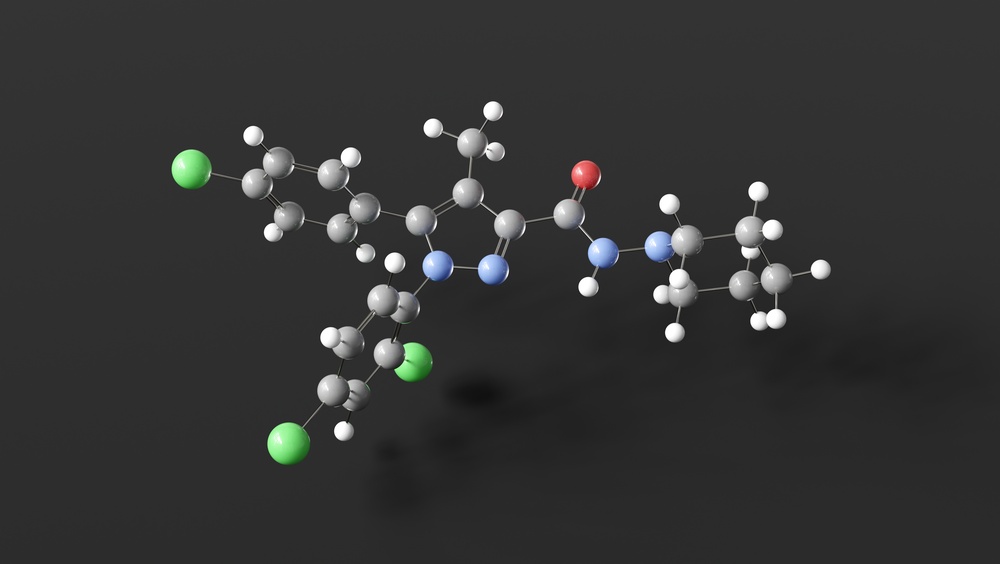
This research is about a novel fatigue model that can be used to test treatment in rodents after SCI. Nieto-Diaz has linked fatigue with excitability in the motor cortex. The plan is to test a new treatment to treat fatigue called rimonobant, a drug that affects cortical excitability. This will be given with and without specific rehabilitation in sci rodents. Rimonabant was originally licenced as an anti-obesity drug, but is no longer used.
Grant Holder: Nieto-Diaz Manuel, National Paraplegic Hospital Toledo, Spain, basic research
Enhancing Spinal Cord Injury Trials With Individualized Registry-Derived Controls
This project proposes to work out some modifications to trial design that may be revolutionary not only for SCI research, but for complex trials in general. It will be worked with Bayesian statistics to work out a new framework for trials, making it possible to use historic controls in SCI and other orphan diseases. This should make it possible to reduce reliance on placebo and control groups, shortening trial timelines, and expanding patient access to promising interventions.
Grant holder: Jutzeler Catherine, ETH Zurich, Switzerland, clinical research

Decompression of the human spinal cord: Development of an advanced MRI and pressure analysis toolbox for acute spinal cord injury
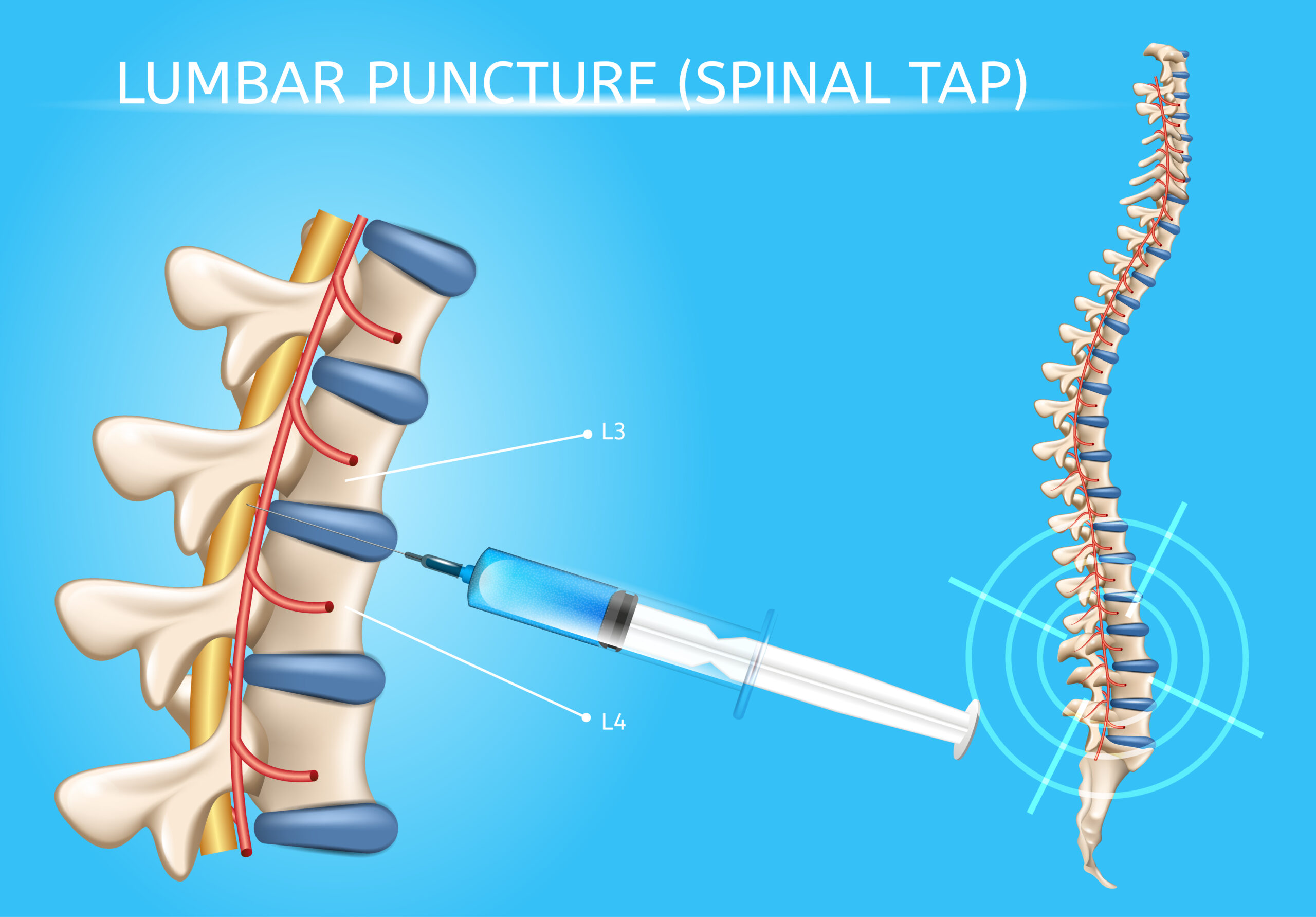
This study proposes to invent a non-invasive method of pressure and flow measurement using MRI. It would be very useful for SCI and for other conditions that affect CSF flow. This will be done in a group of patients who are basically healthy but require a lumbar puncture. It is at the same time as testing of a new MRI protocol designed to measure CSF modalities. This project could lead to the development a very useful and non-invasive method that is applicable to SCI and other conditions.
Grant Holder: Zipser Carlmoritz, Balgrist University Hospital, Zurich, Switzerland
POST DOC
Comparative High-throughput Projection Mapping of Regenerating Axons After Spinal Cord Injury in Spiny Mice and Axolotl at Single-Cell Resolution
The study will involve two animals which have the ability to regenerate axons in their spinal cords, the spiny mouse and the axolotl. These are the two main animal models used for the study of spontaneous successful regeneration. There will be used a very recently developed method to study the precise formation of new connections by regenerated axons, at single cell resolution, using a new method where different genetic barcodes are transduced into neurons using a viral vector. By reading out the barcodes in the target areas it will be possible to find out exactly which neurons have successfully formed new connection. This is a fundamental new method that can then but used to track patterns of induced regeneration in mammals.
Grant Holder: Cola Reto, University of Zurich, Switzerland / University of Edingburgh, Scotland, United Kingdom, Basic research
Deciphering spontaneous recovery: The role of glial-mediated remodelling of extracellular matrix after spinal cord injury
The study focuses on plasticity, the process that allows spontaneous recovery after SCI. The project will examine the production of perineuronal net molecules and the enzymes to degrade them in glial cells after injury, looking at mRNA levels and protein levels. This data will form the basis of a continuing project where the glial cells and perineuronal nets will be manipulated to enhance plasticity and recovery after injury.
Grant Holder: Kathe Claudia, Department of Fundamental Neuroscience, University of Lausanne, Switzerland, Grundlagenforschung
Advancing Spinal Cord Injury Treatment Evaluation: Data-driven approach to distinguish natural recovery from treatment-induced improvements
The project follows on from the recent NISCI trial. The investigated drug was not equally effective in all participating patients. This variability complicates efforts to accurately measure treatment efficacy. The project will develop a data-driven framework to improve the evaluation of SCI treatments. This tool is designed to differentiate between natural recovery and treatment-induced improvements. The goal is to identify which patients are most likely to benefit from the treatment investigated, enabling more targeted and effective therapies for SCI. The project will develop an easy-to-use web platform that will allow clinicians, researchers, patients and families to explore and apply SCI findings. This should increase the effectiveness of clinical trials for SCI.
Grant Holder: Taran Olga, Biomedical Data Science Lab, ETH Zurich, Switzerland, Grundlagenforschung
Optimizing Spinal Cord Injury Recovery in Women: The Role of Reproductive Health in Neurorehabilitation
The project is the first to examine how hormonal changes in women impact their recovery from SCI, focusing on hormonal and reproductive system changes. The focus is reproductive and sexual functioning, psychological adjustment, and the effects of hormone deficiency on neurological and functional recovery. The aim is to identify specific health issues that influence recovery, leading to the development of hormone-based treatments to enhance recovery and quality of life.
Grant Holder: Glisic Marija, Swiss Paraplegic Research, Nottwil, Switzerland, Clinical research

Mapping Anatomical Pain signatures in Spinal Cord Injury
The study examines how neuropathic pain affects the brain’s structure in individuals with SCI. From MRI images they will find brain changes linked to this pain. The study will combine existing brain scan data from Switzerland and Australia with new data collected in Switzerland, totaling 82 participants—making it the largest study of its kind. Understanding these brain changes The study examines how neuropathic pain affects the brain’s structure in individuals with SCI. From MRI images they will find brain changes linked to this pain. The study will combine existing brain scan data from Switzerland and Australia with new data collected in Switzerland, totaling 82 participants—making it the largest study of its kind. Understanding these brain changes could lead to better ways to diagnose and treat neuropathic pain in people with SCI, ultimately improving the quality of life for those affected by this debilitating pain.
Grant Holder: Hubli Michèle, Balgrist University Hospital, Zurich, Switzerland, Klinische Studie

Advanced Neurophysiology for Monitoring Peri- and Infralesional Sensorimotor Function in Human Spinal Cord Injury.
The research project will use innovative techniques in electrophysiology to create new biomarkers for SCI. The approach aims to identify markers that show the health of motoneurons affected by SCI. The project will use a new type of neuroimaging device called an optically pumped magnetometer (OPM). Unlike traditional magnetoencephalography scanners, OPMs are smaller, more flexible, and provide high-quality recordings of brain and spinal cord activity. The project should develop new and sensitive ways to monitor the health of spinal cord neurons and measure the effects of new treatments.
Grant Holder: Rosner Jan, Danish Pain Research Centre, Aarhus University, Denmark.
The Role of Cardiovascular Dysregulation in Predicting Neuropathic Pain following Spinal Cord Injury: A Multimodal Approach
This pilot study explores how the cardiovascular abnormalities that often follow SCI contribute to neuropathic pain following spinal cord injury (SCI). Neuropahthic pain impacts the quality of life in up to 80% of individuals with SCI. The study will combine detailed cardiovascular assessment, with pain inventories and pain. By tracking these measures, and tracking cardiovascular indices with pain, the aim is to identify early indicators of chronic neuropathic pain severity. This could lead to future larger studies with interventions to improve pain management and quality of life.
Post Doc- Grant holder: Balthazar Shane, University of Birmingham, United Kingdow / Balgrist University Hospital, Switzerland

Completed Projects
Fundamental Research
Brüningk Sarah, ETH Zurich, Basel, Switzerland
In silico trials – a digital health solution to assess recovery from traumatic Spinal Cord Injury
Grubb Matthew, King’s College, London, United Kingdom
How does plasticity in excitatory interneurons influence functional recovery during neuronal regeneration?
Clinical Studies
Alvarez Pinto Zaida, Institute for Bioengineering of Catalonia, Spain
Human vascularized Spinal Cord organoid device for drug discovery after traumatic injury
Courtine Grégoire, EPFL, Geneva, Switzerland
Reversing upper limb paralysis through brain-controlled electrical stimulation of the cervical Spinal Cord
Filli Linard, Balgrist University Hospital, Zurich, Switzerland
Probing the integrity of the main descending motor systems in SCI
Monastyrskaya Katia, University of Bern, Bern, Switzerland
Effect of early treatment with Onabotulinumtoxin A on the bladder function of patients with acute Spinal Cord Injury in single cell resolution
Seif Maryam, Balgrist University Hospital, Zurich, Switzerland
Revealing SCI-induced perfusion impairment in the lumbar cord: a longitudinal MRI study
Walter Matthias, University of Basel, Basel, Switzerland
Identification, tracking and quantification of cardiac changes in the acute stages of Spinal Cord Injury
Older projects can be found in the PDFs.